What it is and what it consists of
Wine blending is an important process that determines the final profile of a wine. It is a technique by which different wines or grape varieties are mixed to obtain a balanced, stable wine that harmonizes with the winery’s style.
Blending has ancient roots, but it became established as an essential winemaking practice in France. Over time, it spread throughout the world and became a key tool for creating more complex wines.
Wine blending is a true exercise in creativity and technique. Each blend reflects the winemaker’s personal signature and the winery’s identity, resulting in unique wines.
What’s blending?
Coupage refers to the art of combining different grape varieties or already fermented wines to create a final wine that is more complex, balanced and with a unique personality.
The wine blend seeks to enhance the qualities of each variety (aromas, flavors, acidity or structure) to achieve a perfect harmony that a single type of grape could not offer.
Wine blending is based on analytical, sensory, and production criteria. Before blending, the winemaker evaluates parameters such as acidity, tannins, and aromas of each component. This phase demands precision and in-depth knowledge of how each variety behaves, both individually and in interaction with the others.
Who makes the wine blending?
The winemaker is responsible for carrying out the wine blending within the winery, combining technique, knowledge and sensitivity to design a wine that meets the quality standards and philosophy of the winery.
During the process, the winemaker evaluates the acidity and sugar levels of each base wine, the color, body and texture of each sample, the aromatic intensity and taste profile of the varieties, and the exact percentage of each variety that will make up the final blend.
How to make a wine blend step by step
The wine blending process usually follows these stages:
- Selection of base wines: Wines from different varieties, vineyards or vintages are chosen to serve as the basis for the blend.
- Technical analysis and tasting: the organoleptic characteristics (aroma, flavor, acidity, body) are studied.
- Definition of the blend: The winemaker establishes the ideal proportion of each component to achieve balance and complexity.
- Testing and adjustments: samples are prepared in different proportions and tasted repeatedly until the optimal combination is found.
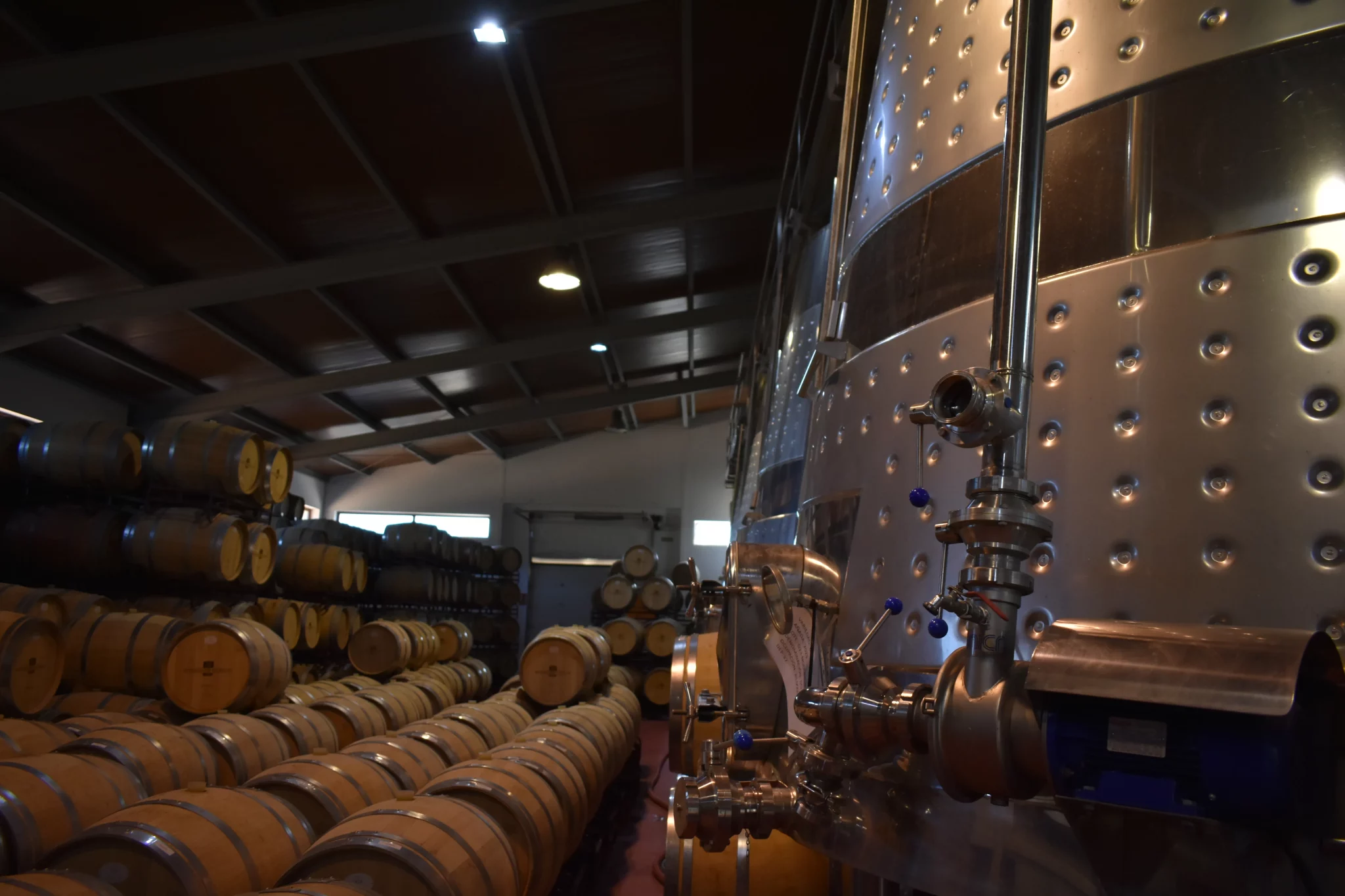
- Aging and bottling: the resulting wine is left to rest or age in barrels, tanks or bottles, so that its components integrate perfectly.
This entire process can take weeks or months, depending on the type of wine.
Wine blends can be classified according to different criteria: the type of base wine used, the oenological purpose of the mixture, or the time at which it is made.
Each type of wine blend serves a specific purpose. Sometimes the goal is to enhance the structure or aromatic intensity; other times, to ensure consistency in the organoleptic profile across different vintages.
Most common types of wine blends:
- Coupage of different grape varieties
It is the most traditional. Red and white grapes, or a combination of both are blended to obtain a balanced wine. - Blend of wines from different vintages
It consists of combining wines from different vintages to correct nuances or maintain the consistency of the style year after year. - Coupage of the same variety
Wines made with the same grape are blended, but they come from different plots, areas, or harvest times. - Barrel blend
Wines aged in different types of wood are combined to enrich the aromas and flavors. - Regional coupage
It brings together wines from the same wine region. It is common in regions with a strong identity such as Rioja or Bordeaux.
When is the wine blend made?
The wine blend is usually created just before bottling, once the base wines have completed fermentation and, if applicable, part of the aging process. At this point, the winemaker has multiple samples which they carefully blend and taste until they find the perfect formula.
This process may require numerous tastings and adjustments, as the goal is to achieve a harmonious wine, true to the winery’s style and of excellent quality.
Blended wine vs single-varietal wine
A single-varietal wine is made almost exclusively from a single grape variety. In contrast, a blended wine seeks to combine different varieties to achieve balance, structure, and aromatic complexity.
Many Designations of Origin allow a small percentage of other varieties even in wines considered monovarietal to nuance the final result.
Thanks to this practice, winemakers can combine the best of each variety to offer balanced, elegant wines full of nuances.
Want to learn more interesting facts about wine and its production process? Follow us on our social media channels and keep an eye on our blog!