Tannins: What they are, properties, and benefits
Tannins are naturally occurring phenolic substances that play a highly significant role in the production and tasting of wine. These plant-based compounds are primarily found in the skins, seeds, and stems of grapes, though they can also originate from the wood of the barrels used during the aging process. Their presence directly influences sensory aspects such as astringency, bitterness, texture, and a wine’s potential to evolve over time.
At Bodegas Nodus, we explain what tannins are, where they come from, how they affect a wine’s characteristics, and what their key properties are. Read on to find out more!
What are wine tannins?
From a chemical perspective, tannins are phenolic substances that occur naturally in numerous plant species, including the grapevine. The word derives from the English term “tanning”—related to the process of curing hides—since these compounds were traditionally used to transform animal skins into leather.
In the context of winemaking, tannins are responsible for the sensation of dryness and roughness that can be perceived in the mouth, known as astringency. They also provide certain bitter nuances that contribute to the balance of flavors. Furthermore, they possess antioxidant properties that help protect wine against oxidation processes and aid in its preservation, particularly in red wines.
Where do the tannins in wine come from?
The tannins present in red wine have three main origins. Each one contributes specific characteristics that influence its flavor, structure, and evolution during aging.
Knowing these sources makes it possible to understand how oenology professionals manage to harmonize the intensity, smoothness, and longevity of each wine:
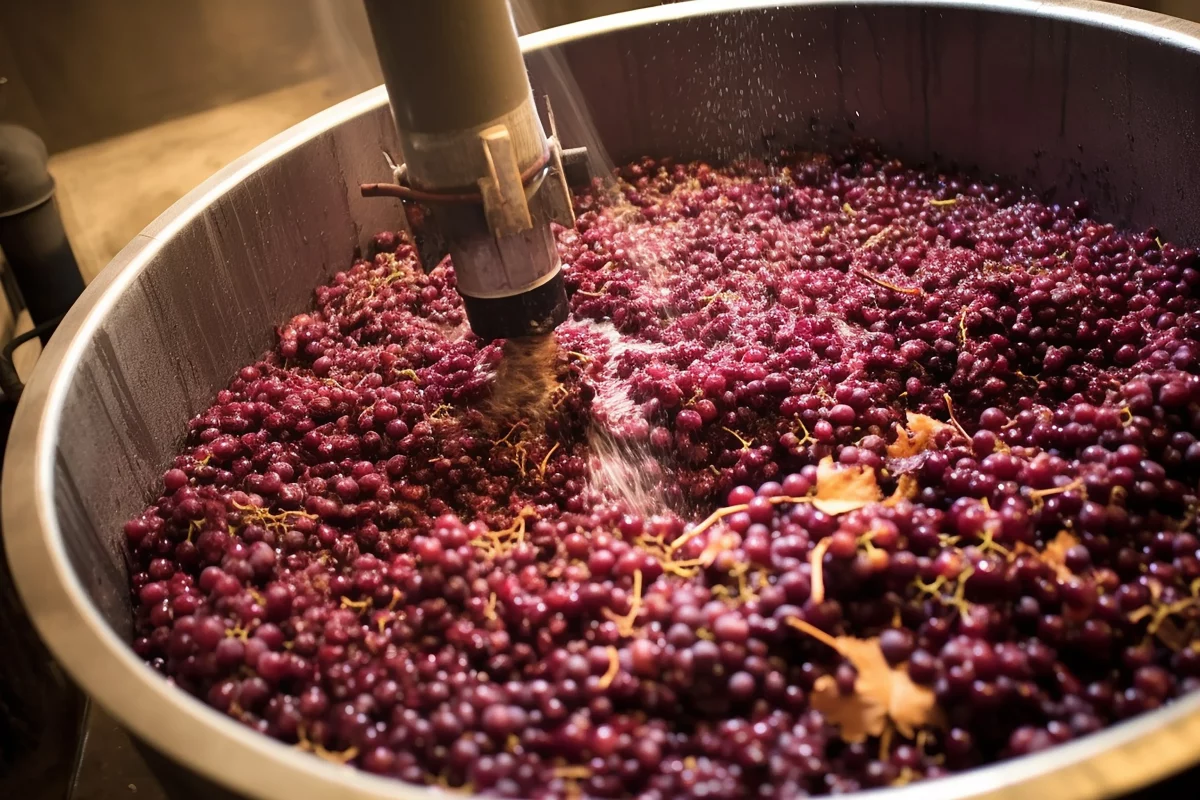
- The grape: Most tannins come from the skins, seeds, and stems. During maceration and fermentation, these compounds pass into the must and help define the wine’s structure. Red wines generally contain a higher quantity of tannins than white wines because they remain in contact with the solid parts of the grape for a longer period.
- Wood: Aging in oak barrels can introduce additional tannins and contribute aromatic nuances—such as notes of vanilla, spices, and caramel—thereby increasing the complexity of the final product.
- Tannins added during winemaking: In certain winemaking processes, tannin preparations are incorporated to adjust the structure, promote stability, and improve the characteristics of the wine during its storage.
Among the grape varieties that typically exhibit a notable concentration of tannins are Cabernet Sauvignon, Merlot, Syrah, and Mencía. In contrast, white varieties—such as Chardonnay—generally contain fewer of these compounds, although winemaking techniques and barrel aging can alter their characteristics.
Sensory properties of tannins
Tannins influence both the taste and the texture of wine. Their presence determines some of the most important sensations perceived during a tasting:
- Astringency: Produces a sensation of dryness and a certain roughness on the tongue, palate, and gums.
- Bitterness: They can provide bitter, dry notes that help balance the overall flavor profile.
- Structure and body: These help give the wine consistency and contribute to its complexity, especially in those intended for extended aging.
- Color: They play a role in the processes that determine the intensity and stability of the color of red wines.
Además, los taninos pueden presentar distintas sensaciones en función de la variedad de uva, la técnica de maceración y el tiempo de crianza:
- Dry or astringent tannins: They create an intense sensation of dryness in the mouth and can feel harsh when the wine is still young.
- Silky tannins: Perceived as smooth and delicate, providing a pleasant texture and a balanced sensation.
- Ripe or velvety tannins: These exhibit a more moderate astringency and a rounded texture, which can make the wine more accessible for consumption.
How can one perceive the tannins in wine?
To identify tannins during a tasting, it is recommended to take a small sip and hold it in your mouth for a few seconds. This allows you to detect the sensation of dryness or roughness that emerges on the tongue, palate, and gums, as well as to assess its intensity.
It is also worth noting how long the sensations linger after swallowing the wine. This persistence can help in assessing the level of tannins in the wine.
Aromatic analysis provides complementary information. Fruity aromas are typically associated with tannins originating from the grapes, while tannins derived from aging in wood can contribute notes of vanilla, spices, and toasted elements.
Ultimately, a well-balanced wine exhibits a harmonious integration of tannins, acidity, alcohol, and its other components. This combination makes for a more pleasant tasting experience and, in certain wines, fosters positive development during the aging process.
Key properties and potential benefits of tannins
In addition to their importance in winemaking, tannins are known for certain health-promoting properties when consumed in moderation. Among the characteristics attributed to them, the following stand out:
- Antioxidant activity: Some tannins can neutralize certain free radicals, contributing to delaying cellular aging.
- Astringent properties: Their ability to interact with proteins explains the sensation of dryness they produce, as well as their traditional use in certain applications.
- Anti-inflammatory activity: Potential effects on inflammatory processes have been investigated.
- Research on cardiovascular health: they contribute to lowering cholesterol and improving circulation.
On the other hand, vinotherapy uses grape extracts and other ingredients derived from the grapevine in certain cosmetic and wellness treatments.
The importance of tannins in the aging of red wine
Tannins play a significant role in the evolution of red wines, as they participate in the chemical reactions that occur during their storage and aging. In combination with other compounds, they contribute to color stability and the development of sensory characteristics.
As wine ages, its tannins undergo transformations that can reduce the sensation of astringency, resulting in a smoother, more rounded texture. These changes contribute to greater harmony and complexity—qualities especially prized in certain *reserva* and *gran reserva* wines.
To achieve a balanced result, winemakers carefully control extraction during maceration as well as the conditions during the aging process. The goal is to prevent the tannins from becoming overly aggressive and to allow them to evolve appropriately alongside the other components of the wine.
At Bodegas Nodus, we focus on a selection of wines where the structure and expression of the tannins contribute to a balanced tasting experience. We invite you to explore our offerings and find the wine that best suits your preferences through our online store.